
Norwood Hospital Task Force report shows outlying hospitals reaching capacity
Urges state takeover
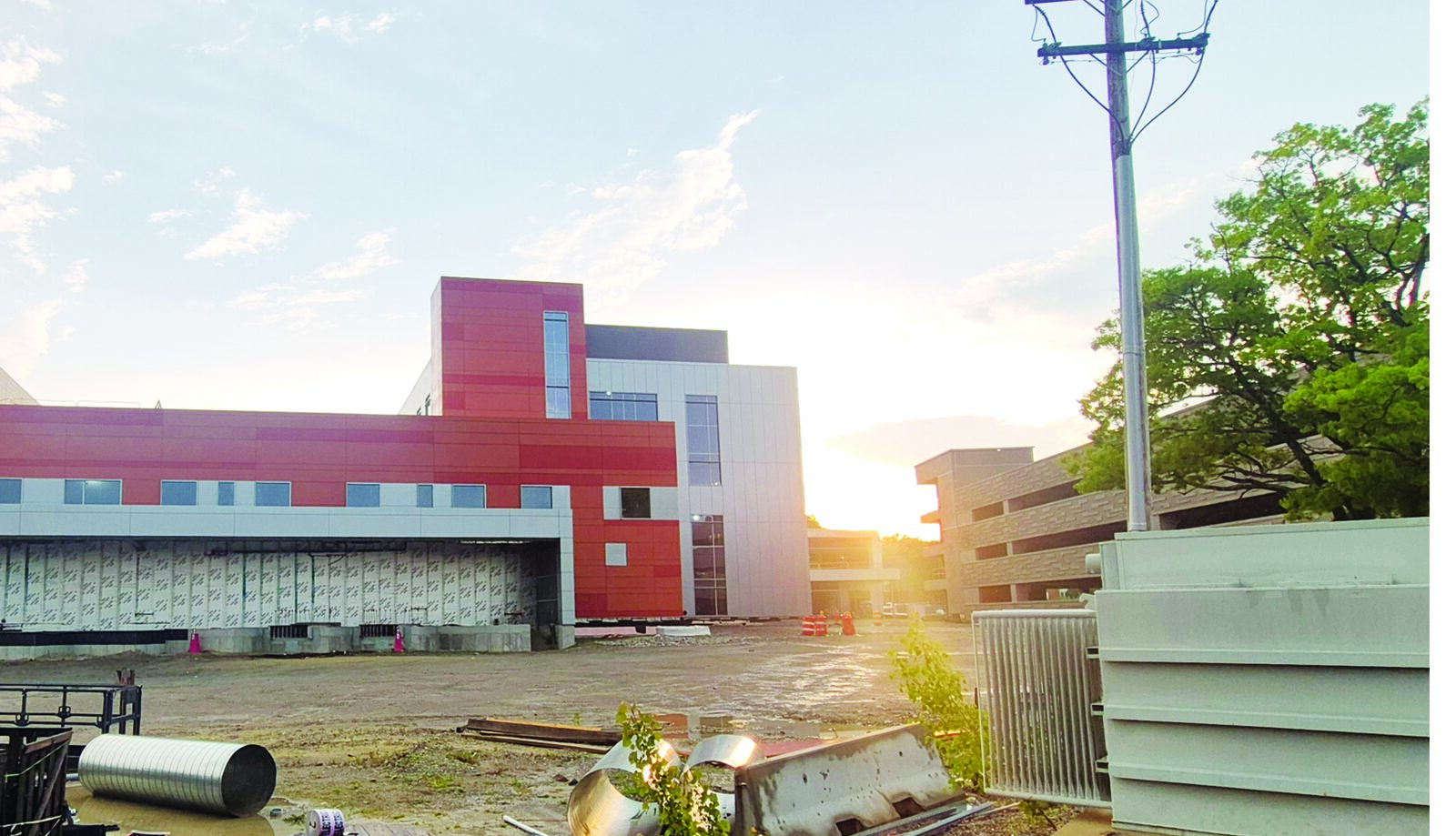
Last week, The Boston Globe widely reported that it was Mass General Brigham (MGB) that had been at least one of the interested parties looking to take over the Norwood Hospital last year.
State Rep. John Rogers was the source for this, as well as the source for the purchase figures that he stated at May’s Town Meeting. He said then that the hospital owner, Medical Properties Trust (MPT) upped its asking price during negotiations from $250 million to $375 million, which may have led to MGB not purchasing and running the hospital.
“What happened to Norwood Hospital should concern every resident of Massachusetts," said Task Force Chair and Town Manager Tony Mazzucco. “This hospital did not fail. It was profitable. It served generations of families. It was lost to a natural disaster and then became trapped in a system that increasingly treats healthcare infrastructure as a financial asset rather than a public necessity.”
Now there is legislation in the Massachusetts Legislature – https://gvimes.link/emdombll – aimed at allowing the state to take over the land through eminent domain (and pay a “reasonable” amount in compensation to MBT) that the report urges lawmakers to pass. If that fails this year – lawmakers have until the end of the legislative season, July 31 – then the Town of Norwood has already begun legal proceedings to figure out if it can take the property by eminent domain for the purpose of selling to an operator.
The report itself is aimed at showing why getting the hospital back up and running as soon as possible is critical.
There are the reasons we’ve been hearing for years now, most notably wear-and-tear on Norwood’s (and other towns’) ambulance and fire apparatus fleet, which has seen more frequent and costly vehicle replacements in recent years.
But not as apparent in the six years since the hospital closed due to a large flood are the impacts its loss is having on outlying hospitals. Congressman Stephen Lynch has repeatedly warned that local hospitals are housing patients in hallways because they don’t have the space for them, and the report seems to highlight this issue.
The report cited a lot of analysis from the Center for Heath Information and Analysis (CHIA), which showed negative impacts for residents in Norwood and in the catchment area of Norwood Hospital. The report showed that Beth Israel Deaconess in Needham has gone from a 64.6 percent inpatient occupancy rate in 2019 to a 92.9 percent rate in 2023. Good Samaritan in Brockton went from 81.4 percent to 95.5 percent, Newton-Wellesley Hospital went from 55.7 percent to 78.3 percent, and Brigham and Women’s Faulkner Hospital went up from 70.4 percent to 78.9 percent.
The report showed that Norwood Hospital’s ex-patients, about 6,600 on average from 2019, also showed that residents traveled from the Norwood area to the Beth Israel Deaconess Medical Center in Downtown Boston, which is quite a drive, to say the least.
Speaking of long drives, now patients from all over the catchment area – from Wrentham to Mansfield – are seeing longer transport times, meaning more risk of life-altering injury or death. The communities closest to Norwood Hospital saw the most drastic impact, with Norwood’s rate of delivering patients within 30 minutes of pickup fell from 87 percent to 38 percent, and Walpole’s fell from 68 percent to 11 percent.
And that means more ambulances on the roads for longer. Professional Firefighters of Massachusetts Director of Emergency Medical Services Tom Henderson underlined the problem with this.
“Longer return times from distant hospitals limit ambulance availability for subsequent emergencies, resulting in regional service gaps,” he stated in the report.
Norwood also had a cardiac catheterization lab which allowed doctors to treat severe heart attacks by reopening a blocked artery, and performed 428 such procedures in its last full year of operation. The closest such facility now is the Beth Israel center in Downtown Boston, and with traffic, it’s unlikely that every case will get there within the 30-minute window recommended for such procedures.
The report also details the loss of jobs and the negative economic impact the loss of the hospital has caused over the last five years. It was estimated back in 2021 that the hospital provided an economic impact of about $2 billion to the region in jobs and ancillary economic activity, which is now gone. The Neponset River Chamber of Commerce estimated that more than 1,000 people worked at the hospital, not to mention the network of physician practices and specialists around the hospital.
The report recommends that the state enact House Bill 5047 and require any new operator to have a 24-hour emergency room, a heart cath lab, and inpatient capacity in Norwood Hospital.
Bank of Canton Chief Executive Officer and Norwood Hospital Task Force President Steve Costello said the state needs to move on this quickly to make sure what happened to Steward and Norwood Hospital doesn’t happen again.
“Across Massachusetts and around the country, private equity firms, real estate investment trusts and other financial interests have extracted enormous value from hospitals, while communities are left to deal with the consequences,” he stated. “Norwood Hospital is one of the clearest examples of what happens when financial engineering takes priority over patient care and community health.”
About the author
Jeff Sullivan Covers local news and community stories.
More in this section
Selectmen discuss MWRA money, Town Common rules and Fire hirings
September 17, 2026
Comments