
Irony, Memory, And Lt. Dorst
I drive through majestic fantasylands, enjoying stunning pullovers. The beauty is intoxicating, causing me to stagger and slur through thoughtful hours, staring over vast, mountain-strewn vistas beneath towering, aboriginal behemoths. The Sequoias induce tranquil thoughts and memories, until I think of Lt. Dorst.
On the frigid morning of Nov. 25, 1876, five months to the day after George Armstrong Custer’s command was destroyed on hills above Little Big Horn River, Lt. Joseph Dorst participated in the surprise attack on Morning Star's Cheyenne village on the Red Fork of Wyoming's Powder River. Jerome Greene, in “Morning Star Dawn,” described the strategy: "The act of sweeping down suddenly and striking warriors and their families together, threatening, capturing, or killing noncombatants in the process, while simultaneously driving off and destroying the pony herd and then burning the village and its contents, though seemingly immoral by modern standards, nonetheless offered means of success to a frontier army charged with protecting white citizens."
Eleven hundred soldiers poured into a canyon containing 170 lodges housing 1,200 aboriginal souls. The force contained many “Custer Avengers,” men who had joined the army after their flamboyant hero’s recent demise. Indian accounts color a dawn crimson with terror and confusion. Warriors fought to the death delaying the onslaught so that women and children could escape into surrounding mountains.
As devastating as the attack was, the aftermath proved as deadly. The Cheyenne's entire winter store of buffalo meat was destroyed as well as their lodges, clothing, and life-long possessions. That night in high passes of the Bighorn Mountains, the temperature dropped to thirty degrees below zero, prompting Indians to shoot their remaining horses and slit open their stomachs, so that bare hands, feet – and babies – could be inserted in attempt to warm, and survive. Thirteen Indian babies perished of exposure, three more the following night. During following weeks, as survivors staggered across frozen wasteland, an untold number of women, children, and warriors succumbed.
The attack was considered a great success, given front-page play in the nation's newspapers. It was the final blow to the Northern Cheyenne, who within the year were driven like cattle to their new home in Indian Territory, today's Oklahoma. Not all, however, were enamored of the victory.
George Manypenny, former Commissioner of Indian Affairs and intimately familiar with Lakota and Cheyenne treaties, lamented that the strike had violated guarantees that the Indian "be protected in his rights of property, person and life."
He wrote, "It was a grave offense, it was a crime, to attack this village, kill its inmates, and destroy their property. Such conduct should at all times be disavowed by the government, and such of its public servants as participate in it should be severely dealt with."
His admonition fell upon deaf ears, evidenced by one other order of aftermath business. In 1891, upon petition of Lt. Dorst, the army bestowed on First Sergeant Thomas Forsyth, for his actions on Nov. 25th, 1876 at Morning Star’s village, a Congressional Medal of Honor.
As I stagger and slur through tranquil beauty, I think of Lt. Dorst. In 1890, to secure groves of the Big Trees, Congress created Yosemite, General Grant, and Sequoia National Parks. Initial jurisdiction fell to the U.S. army, and the following May 58 soldiers, led by Lt. Joseph Dorst, arrived in the Sierra Nevada. Dorst became the first acting Superintendent of Sequoia National Park.
I wonder what Dorst thought as he gazed upon this grandeur. Did he ever hark back to a bitterly cold November morning and question what he had done? As I raise my head from this writing and look upon the largest tree of all, I sense the answer. The largest Sequoia of all was, according to park literature, named by “a Union veteran of the Civil War.” It was not named after the martyred president who had freed slaves, nor the General who shook the hand of Robert E. Lee at Appomattox. It was named for the man reviled to this day in the south for his strategy of total destruction during the Civil War. It is named the “General Sherman Tree.”
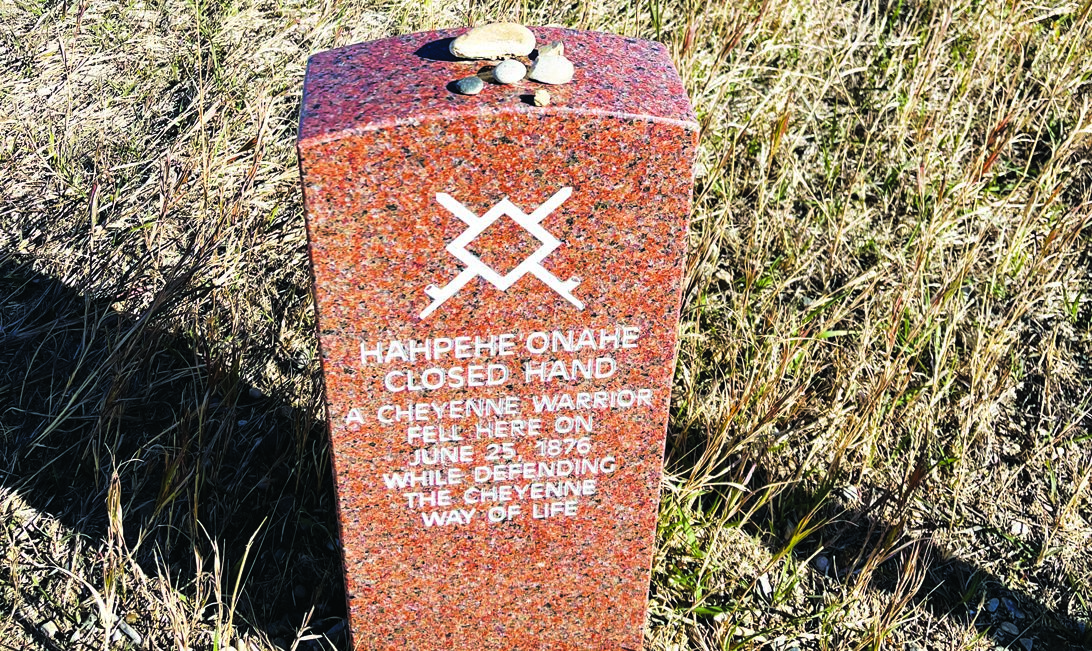
A new monument has been unveiled on the Custer Battlefield. The Peace Through Unity Memorial, “in honor and dedication of the Native Americans who died on this sacred ground on June 25 and 26th, 1876,” lies cold and lonely on Montana hills, testament to a ruined and wronged, 10,000-year-old culture. I have heard contemporaries consider this monument another token disgrace in our culture’s perceived, politically correct atmosphere. An acquaintance, shaking his head, summed up the opinion: “The country's going to Hell.”
As I stand in Sequoia National Park, staggering and slurring through visions of grandeur and beauty abrogated by Lt. Dorst's ghost, I sense irony in my friend's lament.
More in this section
Hackensack
September 24, 2026
Ask Rusty – Must I Enroll In Medicare At Age 65?
September 24, 2026
Our Town: The Irish Heaven
September 17, 2026
Bombs away
September 17, 2026
Comments